
The Serengeti is one of the world’s most celebrated safari destinations, but many travelers don’t realize that it is divided into several distinct regions—each offering a unique experience. Two of the most popular are the Central Serengeti (Seronera) and the Northern Serengeti (Kogatende).
While both provide exceptional wildlife viewing, choosing the right region depends entirely on your travel dates and what you hope to experience. Whether you’re dreaming of witnessing the dramatic Great Migration or enjoying classic, year-round game viewing, understanding the differences will help you plan the perfect Tanzanian safari.
Central Serengeti (Seronera): The Heart of Wildlife Viewing
Located right in the center of the park, Seronera is often considered the beating heart of the Serengeti. It boasts one of the highest concentrations of wildlife in Africa, making it an excellent choice throughout the year.
The Seronera River provides a permanent water source that attracts animals even during the peak of the dry season. This means visitors can expect remarkable, high-density game viewing regardless of the month they travel.
Why Choose Central Serengeti?
- Year-Round Reliability: Excellent wildlife viewing all year round, independent of the migration.
- The Big Five: High chances of spotting Africa’s most iconic species in a single afternoon.
- Predator Capital: Large, thriving populations of lions, leopards, cheetahs, and hyenas.
- First-Timer Friendly: Ideal for first-time safari travelers wanting guaranteed action.
- Accommodation Variety: Wide range of accommodations, from luxury lodges to comfortable tented camps.
- Accessibility: Easy access from nearby airstrips and connecting northern safari circuits (like Ngorongoro and Manyara).
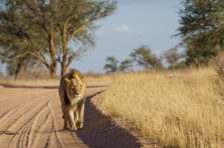
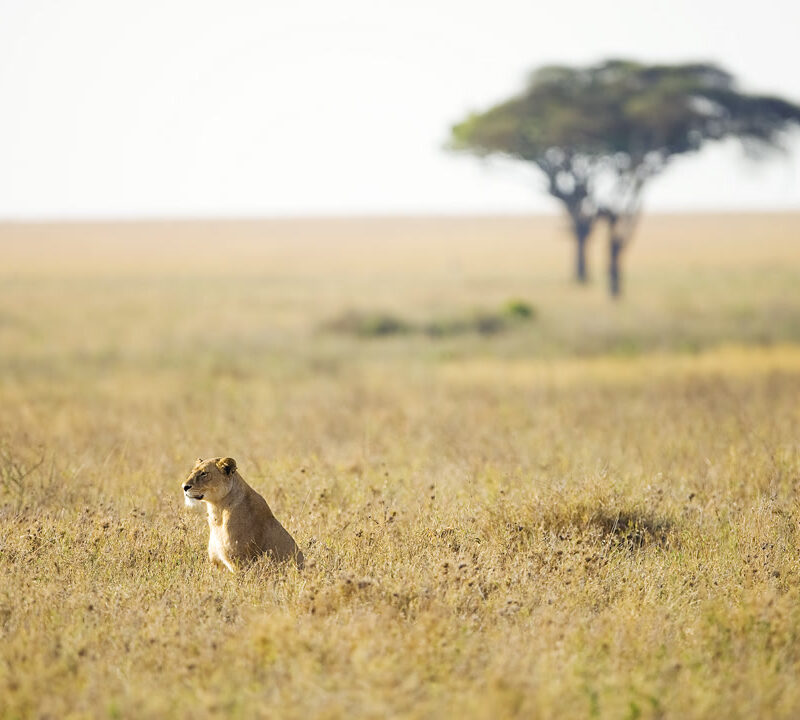
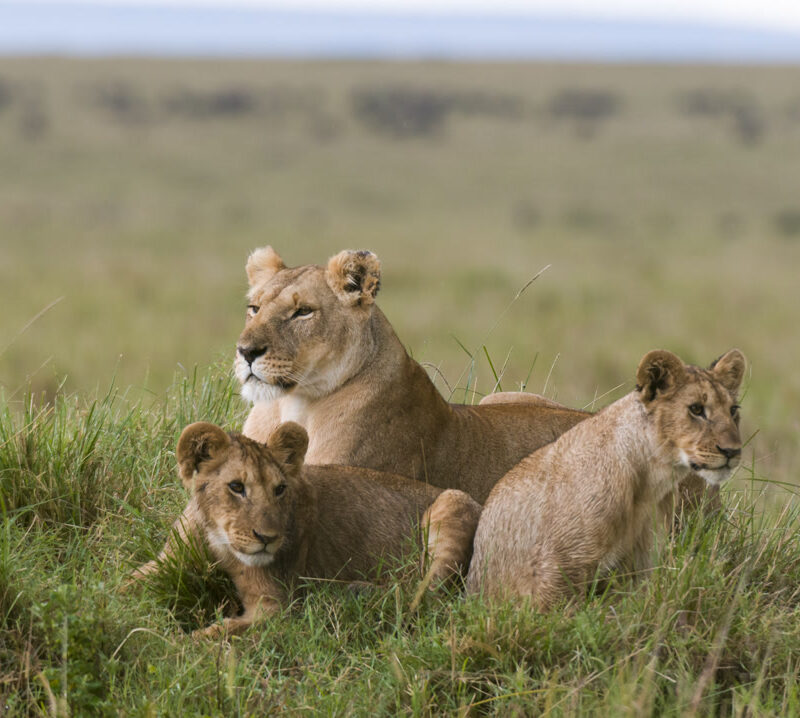
One of Central Serengeti’s biggest highlights is its apex predators. Big cat sightings are frequent here, whether it’s a lion pride lounging on a kopje, an elusive leopard resting in an acacia tree, or a cheetah scanning the savannah for its next meal.
Northern Serengeti (Kogatende): Home of the River Crossings
The Northern Serengeti offers a completely different, wilder safari experience. This remote region is world-famous for one of nature’s greatest spectacles—the dramatic Mara River crossings during the Great Migration.
Between July and October, hundreds of thousands of wildebeest and zebras mass along the banks of the Mara River. Watching thousands of animals plunge into the crocodile-filled waters while predators wait on the shores is an unforgettable, adrenaline-fueled experience.
Why Choose Northern Serengeti?
- The Great Migration: The absolute best location for witnessing iconic Mara River crossings.
- Exclusive Atmosphere: Significantly fewer safari vehicles compared to Central Serengeti.
- Unspoiled Wilderness: More exclusive, peaceful, and intimate game drives.
- Stunning Geography: Beautiful rolling hills, dramatic kopjes, and river landscapes.
- High-End Lodging: Luxury boutique tented camps offering immersive, remote luxury.
Note: Outside the migration season (November to June), the Northern Serengeti still supports healthy resident wildlife—including large elephant herds, giraffes, buffaloes, and lions—though the overall animal density is lower than in the central plains.
Head-to-Head Comparison
Wildlife Profile
| Region | Best For… |
| Central Serengeti | Lions, leopards, cheetahs, hyenas, resident herbivores, and reliable year-round wildlife. |
| Northern Serengeti | The Great Migration, Mara River crossings, Nile crocodiles, large elephant herds, and scenic landscapes. |
Crowd Levels & Solitude
- Central Serengeti: As the most visited area of the park, its reliable wildlife and central location draw more visitors. During peak season, major predator sightings can attract multiple safari vehicles.
- Northern Serengeti: Feels much quieter and more exclusive. Due to its remote location and fewer lodges, visitors often enjoy private wildlife encounters without another vehicle in sight.
Best Time to Visit
- Visit Central Serengeti if you are traveling: January, February, March, April, May, June, November, or December. Wildlife remains spectacular through both the green and dry seasons.
- Visit Northern Serengeti if you are traveling: July, August, September, or October. These peak dry months offer the highest probability of catching the dramatic river crossings.
Which Region Is Better for First-Time Visitors?
For most first-time safari travelers, the Central Serengeti is the superior choice. Its exceptional year-round wildlife, abundant predators, and easy accessibility make it one of Africa’s most consistently rewarding destinations. Even if you miss the migration, you are guaranteed an incredible, action-packed safari.
The Northern Serengeti is ideal for returning safari enthusiasts, avid wildlife photographers, or travelers whose primary, bucket-list goal is experiencing the raw drama of the river crossings.
Why Not Experience Both?
If your schedule and budget allow, combining Central and Northern Serengeti offers the ultimate Tanzanian itinerary. You can spend a few days in the Central region enjoying high-density predator action, then fly or drive north to witness the breathtaking Great Migration in total solitude.
Let Wildsphere African Safari Plan Your Perfect Serengeti Adventure
Choosing the right region can make all the difference in your African journey. At Wildsphere African Safari, we specialize in creating tailor-made itineraries based on your specific travel dates, interests, and budget.
Whether you want to watch the Great Migration tackle the Mara River or photograph the big cats of the Seronera plains, our local safari experts will ensure you experience the Serengeti at its absolute best. Contact us today to start planning your dream safari!